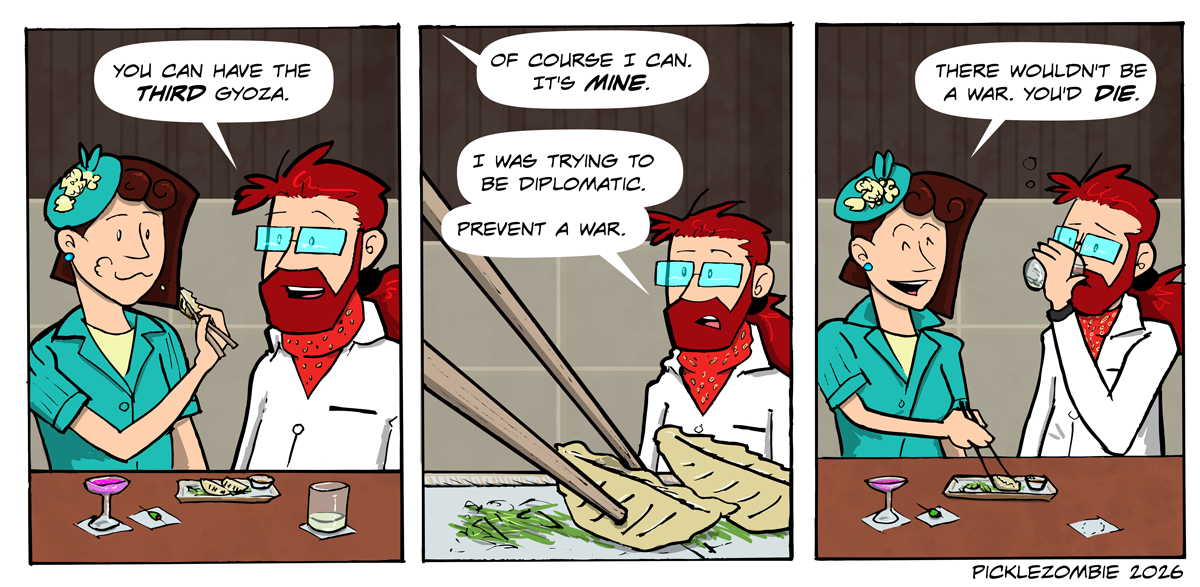
For the record, is was a bit weird to finish the last night of our European vacation at a Japanese restaurant in Prague. But by then we probably needed a break from all the excellent public transit and astonishing architecture.
Tell you what, The Czech Republic’s reputation for beer is well deserved. So much so we have a bottle of beer flavored shampoo in the shower. We skipped the bottle labelled “Elixir of Youth” at the historical alchemist laboratory and got the beer shampoo instead. For contrast, all we walked away from Budapest with was an assortment of local wines and chocolates. All in all a good trip.
Oh, and the hot dogs in Vienna were a thing. By hot dogs, I mean proper sausages wrapped in drilled-out fresh buns first injected with Dijon. Seriously these things are to NASA space suits what a hot dog is to a cardboard box with one side cut out and “SPASEMAN” crayoned on the side.
Seriously, it really feels like we forgot how to food sometime in the last six hundred years.
Ja.